Overview
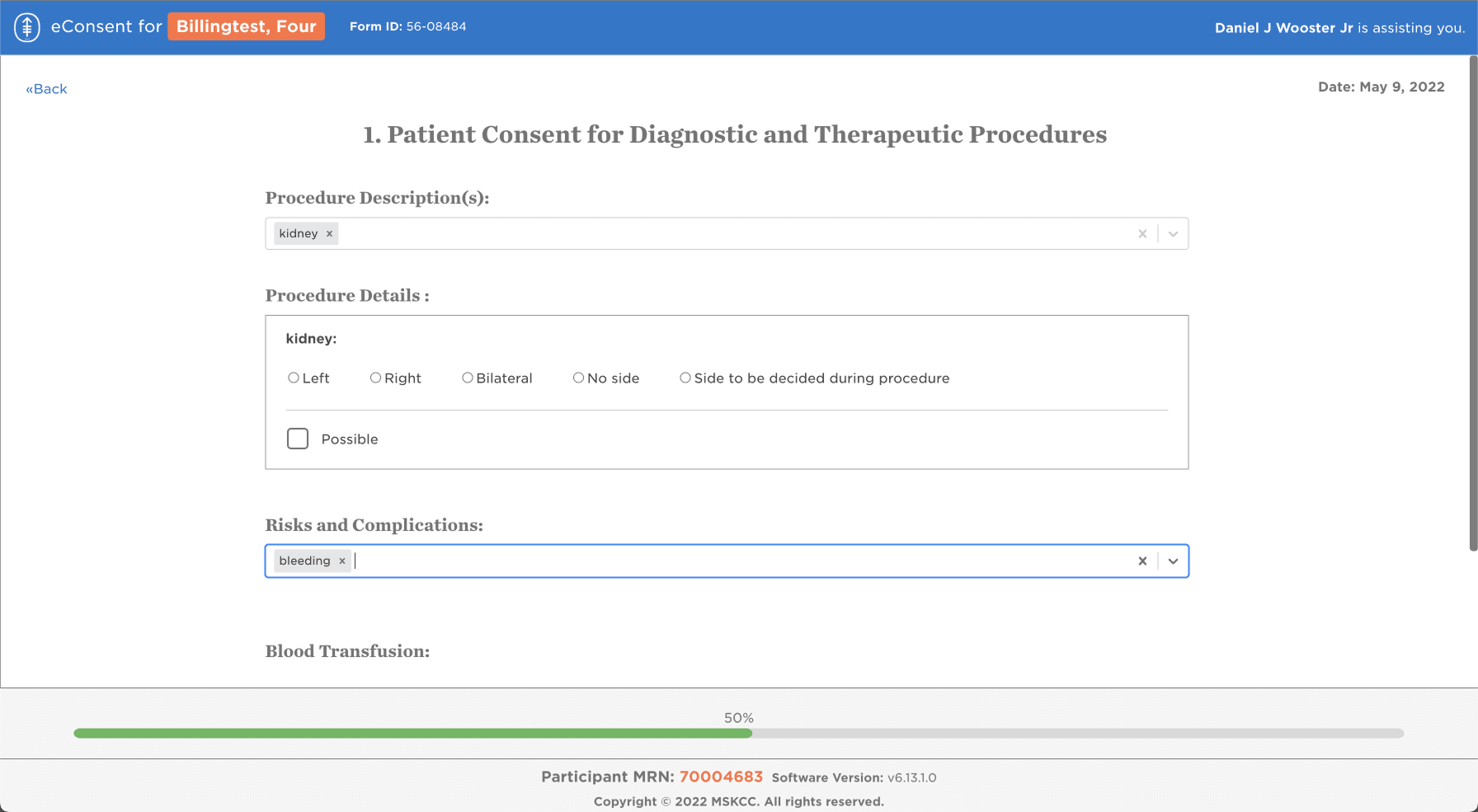
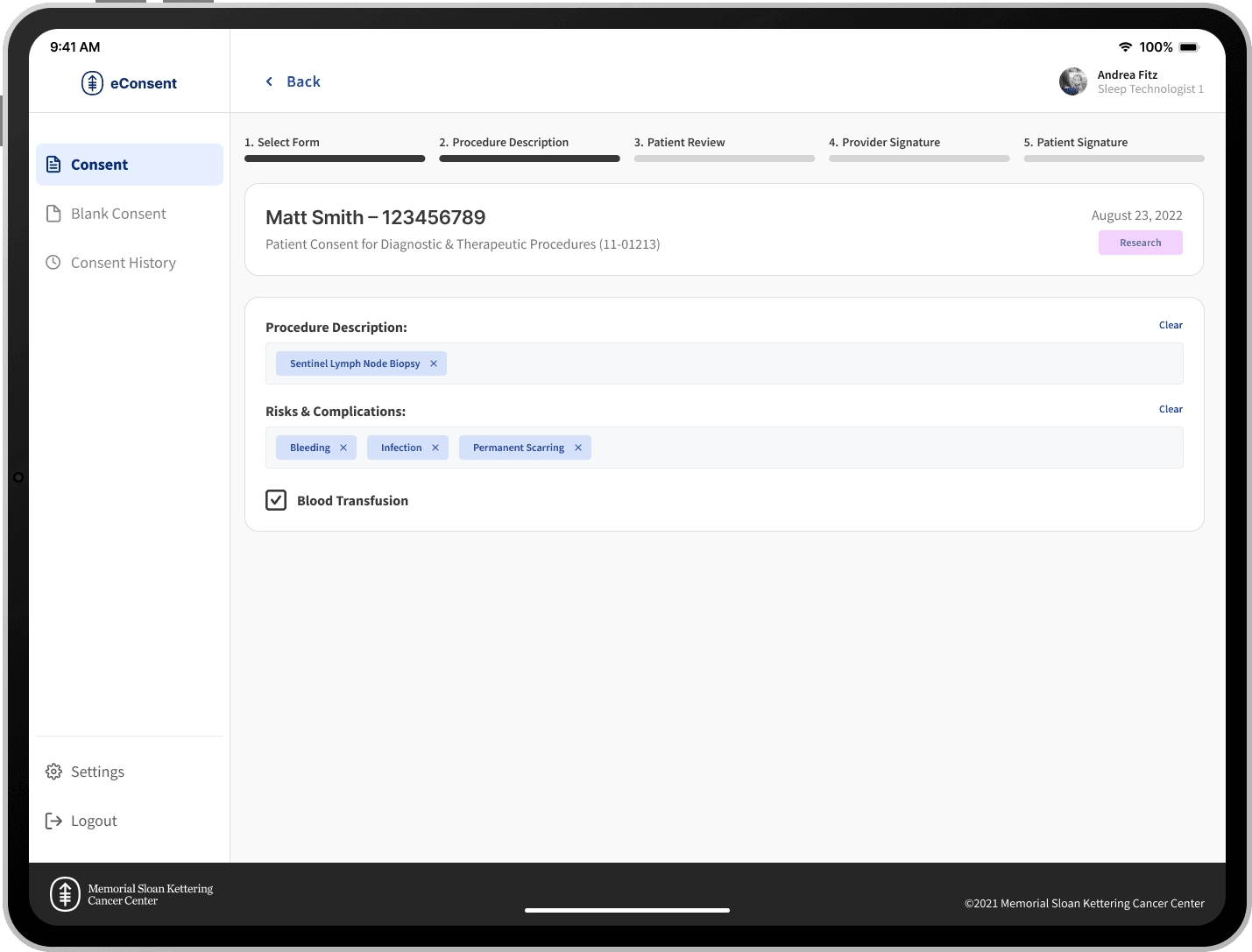
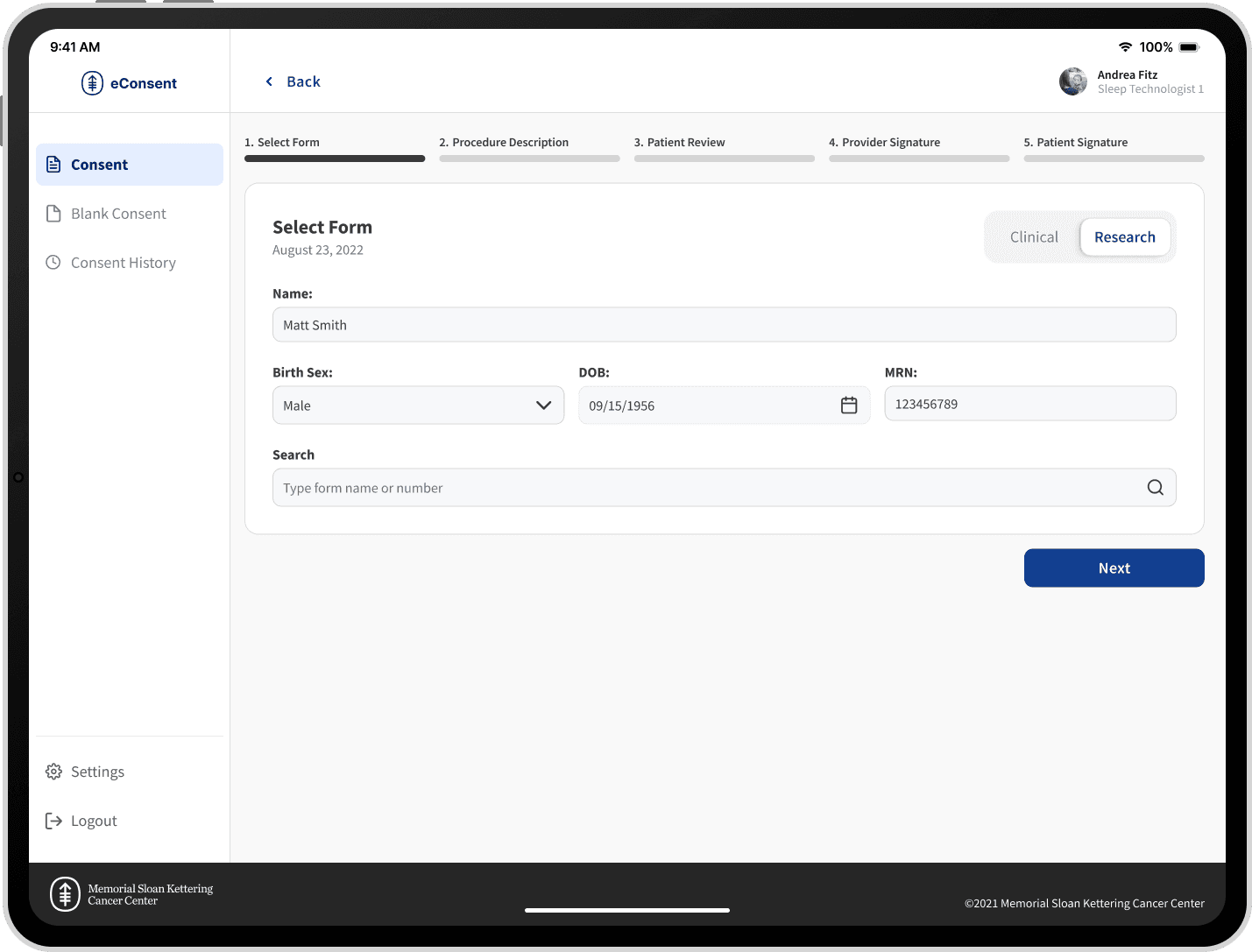
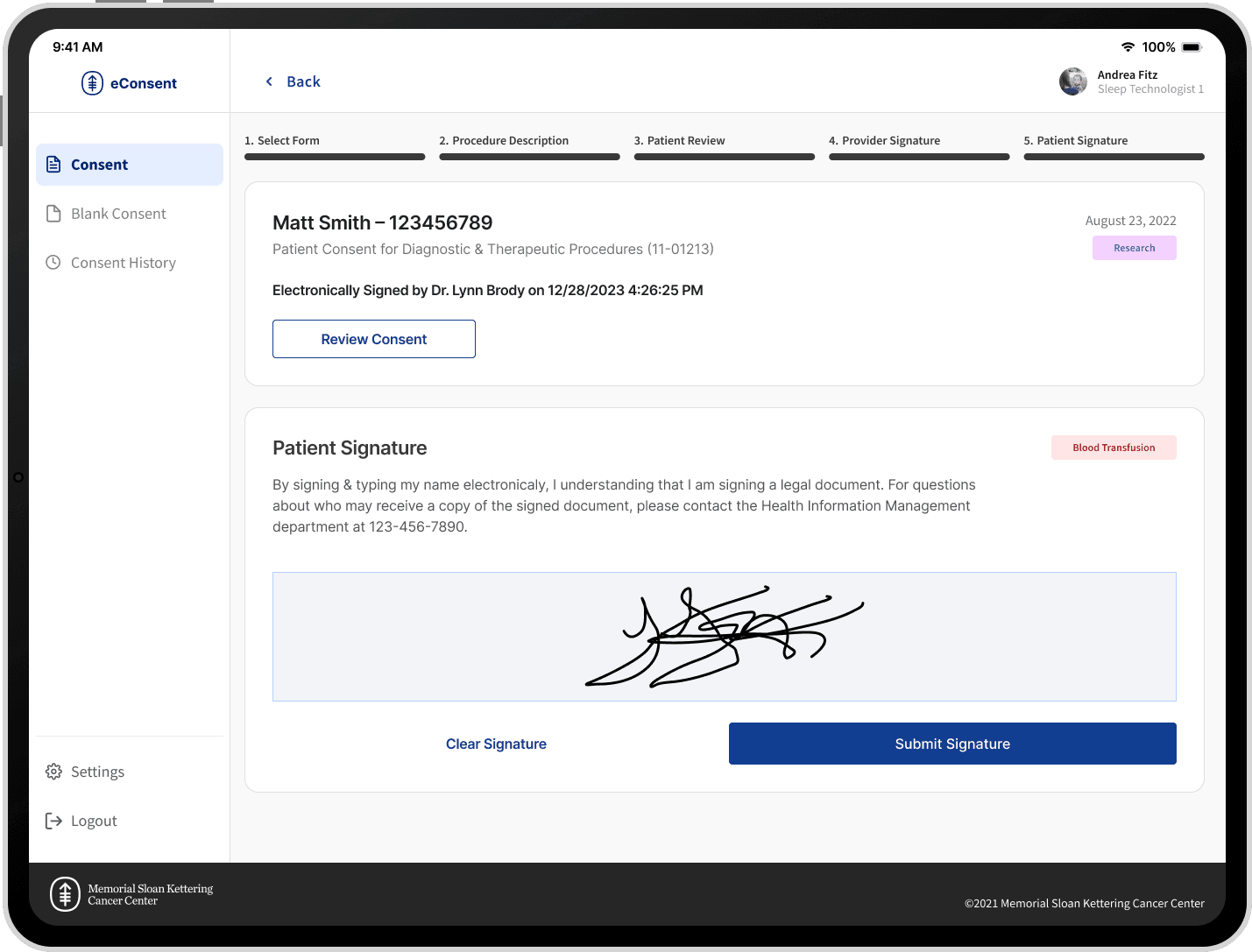
A legacy oncology portal serving patients, clinicians, and administrative staff — each with different workflows, different mental models, and no shared baseline for what needed fixing. I ran a comprehensive audit, redesigned key flows against the MSK design system, and co-led the migration from legacy UI.
Role
Senior Product Designer
Timeline
Feb 2022 – Jan 2023
Team
Product · Engineering · Clinical stakeholders
Scope
Portal audit · Key flow redesign · Design system migration
The Challenge
Before I opened Figma, I needed the team to agree on what was actually broken. The portal served mixed user types with completely different workflows — and competing opinions about where to start. The audit created a shared, evidence-based backlog where there had only been assumptions.
Heuristic Evaluation
Nielsen's 10 Heuristics
Flexibility & Efficiency
Consistency & Standards
Aesthetic & Minimalist Design
Recognition Rather Than Recall
User Control & Freedom
Error Prevention
Process
I ran a three-method audit: a heuristic evaluation produced a severity-ranked issue list; a component inventory exposed UI drift and legacy patterns the design system had never absorbed; and a task flow analysis mapped where each user type was hitting friction. From there I redesigned key flows using the MSK design system and co-led the migration plan — defining the transition path, not just delivering the destination.
Solution
Outcome
30% improvement in task completion time for patients navigating the electronic consent flow on arrival. The audit and migration work left the team with a durable foundation — not a one-off redesign requiring another full pass in 18 months.